A viral Instagram trend has reignited cultural conversation around 2016, with fans, DJs and producers celebrating the year as dance and electronic music’s defining moment. The hashtag-driven movement has sent streams of classic EDM records through the roof, sparked DJ sets dedicated entirely to 2016 bangers, and reminded a new generation why that year holds such legendary status in electronic music lore.
The trend doesn’t exist in a vacuum. Nostalgia has become a powerful force in music consumption, with streaming data showing that throwback tracks and retro-inspired productions consistently outperform new music in terms of replay rates and fan engagement. TikTok and Instagram Reels have become nostalgia delivery machines, with users from Gen Z discovering music from before they were born and gen millennial enthusiasts reliving their peak clubbing years. The “2026 is the new 2016” movement capitalizes on this sentiment perfectly, giving dance music fans permission to celebrate the era that shaped their musical identities.
Why does 2016 occupy such a sacred place in EDM culture? For one, it was the year dance music achieved genuine mainstream saturation without losing underground credibility. Martin Garrix, already a superstar after “Animals,” delivered “In the Name of Love” with Bebe Rexha—an anthem that climbed the pop charts while maintaining street cred. Alan Walker’s “Faded” became a global phenomenon. Calvin Harris secured a headline slot at Coachella, cementing EDM’s mainstream arrival. Meanwhile, artists like Richie Hawtin, Charlotte de Witte and Amelie Lens were building the techno underground that would define the next decade.
The production quality of 2016 records remains exceptional. Marshmello’s “Alone,” KSHMR and Sidnie Tipton’s “Wildcard,” Axwell’s “Barricade” and Galantis’ “No Money” represent a sweet spot where melodic sensibility, pristine production and dancefloor energy coexisted perfectly. These weren’t purely experimental tracks or hyper-commercial pop crossovers—they were genuinely great dance records that worked equally well in clubs, festivals and headphones. Many producers and DJs now reference 2016 as the last year before the genre fractured into countless microgenres and increasingly polarized sonic territories.
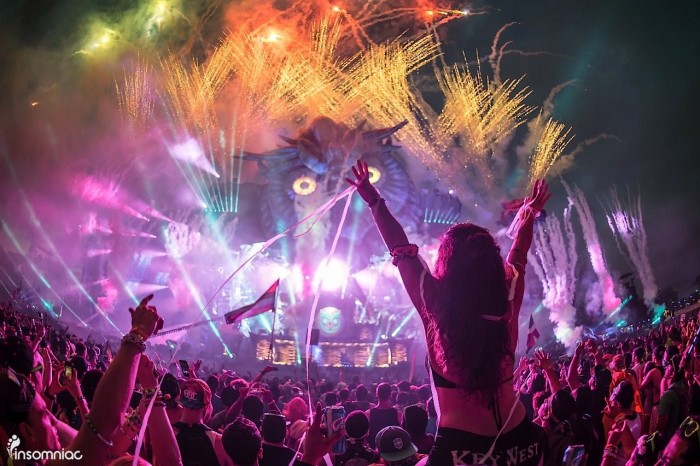
The festival landscape of 2016 also contributed to its legendary status. EDC celebrated its 20-year anniversary that summer with legendary performances and a cultural moment that felt celebratory. Tomorrowland, Ultra and other global festivals were at their creative peak, with production values, lineups and cultural influence hitting new highs. Meanwhile, historic venues like Space Ibiza were hosting their final legendary parties as Carl Cox wound down his 15-year residency. There was a bittersweet sense that an era was concluding, which retrospectively gave 2016 the weight of significance.
Ten years later, the nostalgia makes perfect sense. Listeners seeking emotional authenticity have rediscovered how 2016 records delivered complex feelings through infectious hooks and powerful production. Streaming platforms have made the entire catalog available on demand, allowing new listeners to experience the era chronologically. And social media has allowed global dance communities to share that nostalgia simultaneously, creating collective cultural moments around songs they grew up with.
The trend also reflects a broader cultural moment. In uncertain times, nostalgia offers comfort and connection. A song like “Faded” or “Alone” carries memories of simpler moments—festival memories, first raves, dances with friends, moments of pure euphoria on a dancefloor. The “2026 is the new 2016” movement gives permission to celebrate those memories and reconnect with music that moved people deeply.
For contemporary producers and DJs, the trend carries interesting implications. Some are now consciously leaning into the sonic language of 2016—the melodic sensibilities, the production approaches, the balance between underground and mainstream appeal. Others view it as a creative challenge to build on that foundation while pushing into new territory. Either way, 2016 has become a cultural reference point that shapes how dance music is made and consumed today.