
Behind the polished Instagram posts, sold-out festival slots, and million-dollar residencies, the world’s biggest DJs experience perfectly innocent, hilariously embarrassing moments that become legendary within electronic music culture. They crash boats into friends’ docks. They accidentally kill music mid-set through equipment mishaps. They troll entire festivals with elaborate pranks. They show up drunk and fall off stages. These stories don’t involve injuries or lawsuits—just pure, harmless chaos that reminds us even electronic music royalty can spectacularly embarrass themselves and laugh about it later.
Electronic music culture thrives on perfection. Producers spend hundreds of hours crafting flawless drops and meticulous transitions. DJs rehearse set lists obsessively, ensuring every track flows seamlessly. Festival performances are choreographed down to the second, with pyrotechnics and lighting synchronized to millisecond accuracy. Yet despite this obsessive pursuit of technical excellence, the humans behind the turntables remain wonderfully, entertainingly fallible. The following stories—all verified through video documentation or firsthand accounts—prove that even the most successful DJs in history occasionally crash, burn, and create legendary anecdotes that fans share for years. Best of all? Nobody got hurt, and everyone can laugh about these mishaps without guilt.
Perhaps the most iconic harmless DJ mishap in recent electronic music history involves Martin Garrix, Tiësto, and David Guetta’s Miami waterfront property. The story begins innocently: Garrix and Tiësto decided to surprise Guetta with an unannounced boat visit to his luxurious Miami home during one of Guetta’s rare days off. Approaching the dock, Garrix—piloting the vessel—misjudged both the approach speed and angle. The boat slammed directly into Guetta’s wooden dock with enough force to cause visible structural damage and an incredibly loud crash that echoed through Guetta’s waterfront property.
Video footage captured by witnesses shows both DJs immediately bursting into uncontrollable laughter while Guetta, hearing the commotion from inside his house, rushed outside to investigate what sounded like a minor collision. Rather than anger or frustration about the dock damage, Guetta reportedly found the entire situation absolutely hilarious. The three superstar DJs—collectively worth hundreds of millions of dollars and responsible for some of electronic music’s biggest anthems including “Animals,” “Red Lights,” and “Titanium”—spent the afternoon laughing about the incident while inspecting the splintered dock wood and debating whose insurance would cover repairs.
Guetta later posted about the event on social media with the caption “When your friends decide to say hi… Miami style,” turning what could have been an awkward insurance claim into a viral moment that humanized three of EDM’s most prominent figures. The video has been viewed millions of times across TikTok, Instagram Reels, and YouTube, with fans appreciating the genuine friendship and complete lack of pretension displayed. Comments flooded in with variations of “this is the most expensive ‘oops’ in EDM history” and “only Martin Garrix can crash into David Guetta’s house and they end up partying.” The incident perfectly encapsulates how even the world’s most successful DJs can have spectacularly clumsy moments that become cherished memories rather than career-damaging embarrassments.
Marshmello built his entire brand around anonymity, refusing to publicly reveal his identity (despite everyone knowing it’s Chris Comstock, aka Dotcom) while wearing his signature white marshmallow helmet at all public appearances, interviews, and performances. Fans obsessed over unmasking him, analyzing body language, voice patterns, and social media connections to definitively prove his identity. Yet during Electric Daisy Carnival Las Vegas, Marshmello executed one of electronic music’s greatest trolls by having multiple different people wear his helmet throughout his performance, making the helmet itself—not the person beneath—the undeniable star of the show.
The prank began when Marshmello, mid-set in front of approximately 50,000 fans, dramatically removed his helmet to reveal… Tiësto underneath. The crowd absolutely lost their minds, with half the audience genuinely confused about whether Tiësto had been Marshmello this entire time and the other half immediately recognizing the troll. Then, minutes later, “Marshmello” removed the helmet again—this time revealing a random friend named John that nobody in the audience recognized. Finally, Skrillex appeared wearing the helmet during the closing portion of the set, performing several transitions while fans screamed in delighted confusion about who was actually controlling the music.
The genius of the prank was its complete weaponization of fan obsession with unmasking anonymous DJs. For years, fans desperately wanted to definitively know Marshmello’s identity, analyzing every possible clue and creating elaborate conspiracy theories. By turning the helmet into a rotating prop worn by multiple celebrities, Marshmello simultaneously mocked that obsession while reinforcing that the helmet itself—not the human underneath—defined his brand. Reddit threads exploded with debates about whether the various helmet-wearers were performing actual DJ sets or simply standing on stage for photo opportunities while the real Marshmello controlled everything behind the scenes. The prank’s brilliance was its ambiguity: fans could never definitively know which portions of the EDC set featured the actual Marshmello versus his celebrity friends, and that ambiguity became the point.
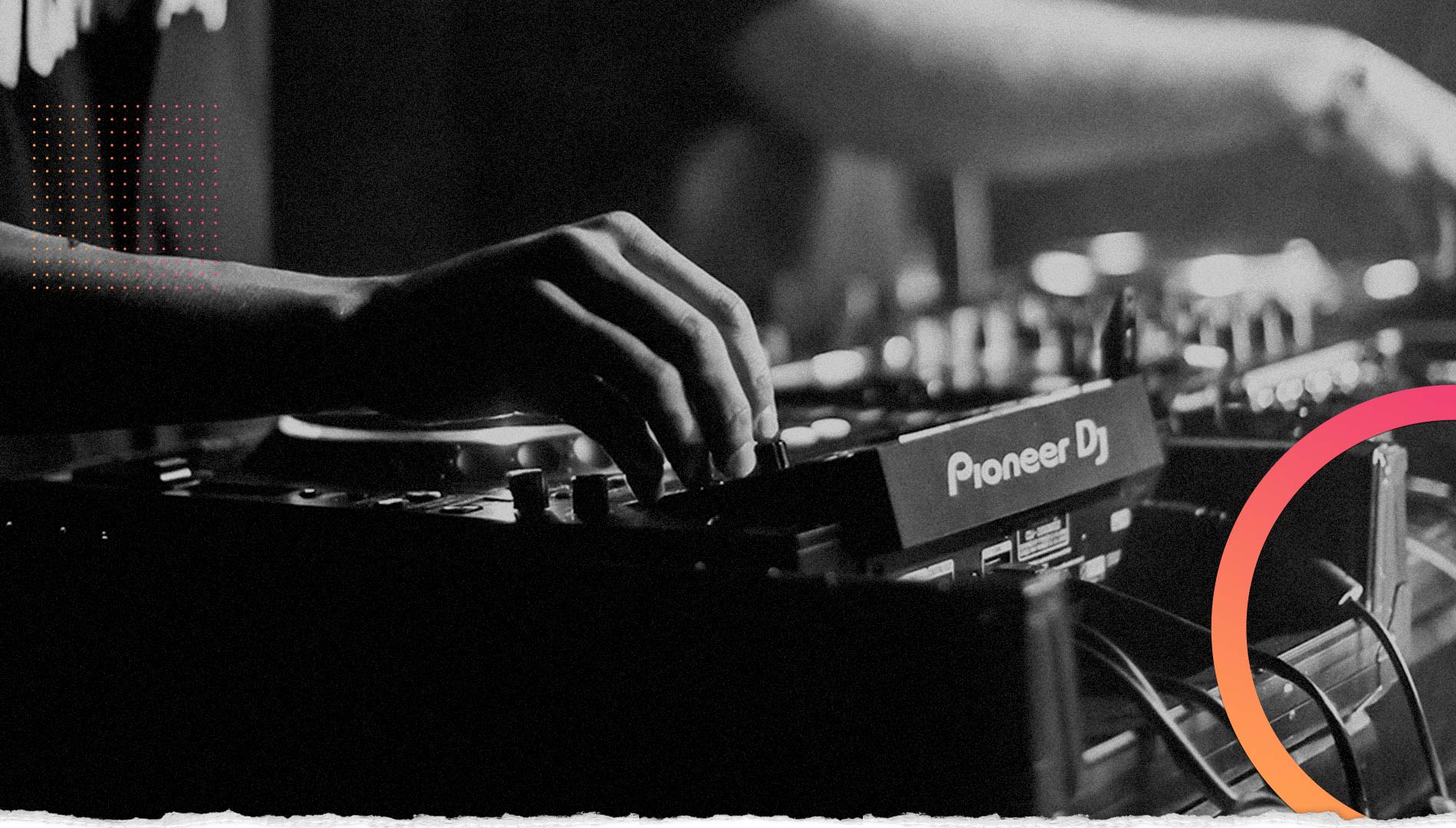
One of the most common—and most embarrassing—technical failures in modern DJing involves accidentally leaving Pioneer CDJs in vinyl mode while performing. For non-DJs: CDJs offer a “vinyl mode” setting that makes the jog wheel behave like an actual vinyl turntable, meaning any physical contact with the wheel immediately stops playback. This feature allows DJs to perform vinyl-style scratching and manipulation on digital tracks. The problem? If you leave vinyl mode enabled and your headphones fall onto the jog wheel, or someone bumps the deck, or your jacket sleeve brushes against it, the music instantly dies in front of hundreds or thousands of people staring directly at you.
Martin Garrix experienced this exact disaster during a major festival performance. Video footage shows Garrix mid-set, crowd absolutely packed and vibing to his signature progressive house sound, when his headphones—which had been hanging around his neck—slipped off and landed directly on the active CDJ’s jog wheel. The music immediately cut out completely, leaving 10,000+ fans standing in confused silence while Garrix frantically tried to diagnose what happened. The headphone cable had created enough pressure on the touch-sensitive wheel to register as a “stop” command, killing the track instantly. Garrix’s face in the video perfectly captures the universal DJ panic: eyes wide, hands frantically checking every possible setting, complete confusion about why the music died despite nothing appearing broken.
The CDJ vinyl mode disaster has affected virtually every professional DJ at some point. Even Skrillex, Tiësto, Armin van Buuren, and dozens of other technically proficient DJs have accidentally killed music through vinyl mode mishaps, creating entire YouTube compilations dedicated to these moments. The failure is particularly embarrassing because it appears to the audience like the DJ simply forgot how to operate basic equipment, when in reality it’s an extremely easy mistake caused by a single switch being in the wrong position. Fans in comment sections always respond with variations of “every DJ’s worst nightmare” and “the CDJ jog wheel claims another victim.” The silver lining? It’s completely harmless—nobody gets hurt, equipment isn’t damaged, and the DJ simply needs to restart the track and continue the set while dying internally from embarrassment.
The text exchange has since become legendary within DJ communities. The promoter asked detailed questions like “What time do you want to arrive tonight?” to which the fake Danny James responded “Tonight? I thought it started next week!” The promoter replied “Ha, that would have been jokes. That would have been embarrassing.” The fake Danny agreed: “Few, that would have been embarrassing.” The conversation continued with discussions about music selection philosophy, with the fake Danny James offering intentionally vague platitudes like “keep it fresh but keep it real for the average Joe” that the promoter enthusiastically endorsed.
The situation escalated when the promoter started discussing payment (“what’s the buns”—slang for money), arrival logistics, and even sent venue address details to this completely wrong person who had been impersonating a professional DJ for days. The prank only unraveled when the real Danny James—confused about why friends kept congratulating him on his new residency—investigated and discovered that someone had been living an entire alternate DJ career in his name. The promoter was mortified when they finally realized, but the real Danny James found the entire situation hilarious, later posting about it publicly with the caption “Apparently I’ve been double-booked… with myself?” The fake Danny James was never identified, making the prank even more mysterious and legendary within UK DJ circles.
Beyond these major incidents, electronic music history overflows with smaller, equally hilarious mishaps. DJs have accidentally ejected the wrong CD mid-performance, killing music at critical moments. Performers have knocked over expensive monitors while celebrating drops too enthusiastically. TSA agents at airport security have broken custom DJ helmets worth thousands of dollars during routine inspections—Marshmello confirmed that only a handful of his signature helmets exist at any time, and TSA destroyed one while checking for explosives, forcing him to perform shows with visibly duct-taped equipment. DJs have shown up to gigs to discover the venue mistakenly booked two DJs with similar names for the same time slot, creating awkward standoffs about who actually gets to play. Performers have fallen off stage platforms because they were too drunk, scrambled back up, turned the music back on, and continued performing while pretending nothing happened—all captured on audience cell phone videos.
Australian DJ duo Peking Duk once trolled an entire festival by suddenly playing the Macarena during their set, watching thousands of electronic music fans simultaneously realize they’d been pranked and reluctantly start dancing along because the song is undeniably catchy despite being completely out of place. DJs frequently share stories about accidentally playing the wrong genre entirely—imagine a deep house DJ accidentally triggering their hardstyle playlist at a sophisticated cocktail lounge, or a dubstep producer accidentally starting their grandmother’s classical music collection during a bass music festival. These moments create instant panic followed by frantic scrambling to fix the mistake while maintaining composure in front of crowds who absolutely notice something’s wrong.
The beautiful truth about electronic music? These perfectly innocent, harmless fails make DJs more relatable and beloved. Fans don’t want DJs to be flawless robots executing perfect performances every time. They want humans who occasionally crash boats, troll festivals with elaborate pranks, kill music through silly technical mistakes, and fall off stages because they celebrated too hard. These stories circulate for years precisely because they humanize artists who otherwise seem unreachably successful. Martin Garrix crashing into David Guetta’s dock doesn’t diminish his talent as a producer—it makes him someone you’d actually want to hang out with. Marshmello trolling 50,000 EDC fans doesn’t undermine his brand—it reinforces his playful, mischievous personality. The CDJ vinyl mode disaster doesn’t mean affected DJs are incompetent—it means they’re human enough to make the same mistake literally every DJ has experienced.
The lesson from these legendary fails? Electronic music thrives on carefully constructed images of perfection, professionalism, and technical mastery. Yet the moments fans remember most fondly are when that perfection spectacularly collapses in completely harmless, hilarious ways. These aren’t career-ending disasters—they’re treasured anecdotes that get shared, remixed, and celebrated across social media for years. So the next time you see a DJ accidentally kill the music mid-set, or watch someone crash a boat into their friend’s property, or witness an elaborate festival troll unfold in real-time, remember: you’re not watching a failure. You’re watching electronic music history being made, one perfectly innocent embarrassment at a time.