


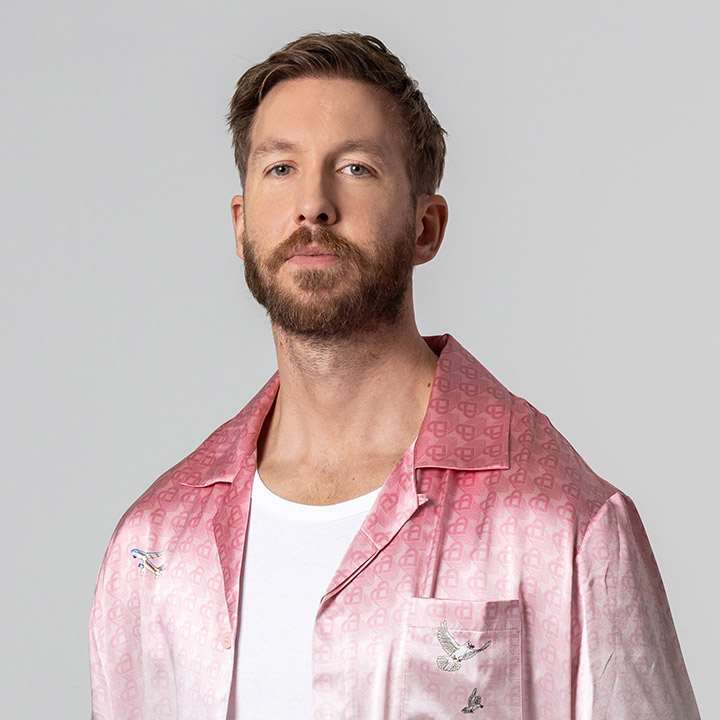
Calvin Harris, born Adam Richard Wiles on January 17, 1984, celebrates his 42nd birthday today as one of dance and electronic music’s most decorated and commercially successful figures. Over nearly two decades, the Scottish producer has sold over 50 million records, topped global charts repeatedly, and fundamentally shaped how mainstream culture perceives electronic music production.
Calvin Harris’ journey to superstardom began in Dumfries, a small town in southwest Scotland. Growing up in a music-loving household, Harris taught himself production and started releasing music independently in the early 2000s. His early singles showed promise, but it wasn’t until “We Found Love” with Rihanna in 2011 that he achieved mainstream breakthrough. The track became a global phenomenon, topping charts worldwide and introducing Harris to audiences far beyond the dance music community. The song’s infectious melody, flawless production and Rihanna’s vocal performance created a perfect storm that launched Harris into the stratosphere of international stardom.
What followed was a masterclass in sustained success. Harris released “Sweet Nothing” with Florence Welch, “How Deep Is Your Love” with Disciples, and “How Good” with John Newman—each track finding massive commercial success while maintaining production integrity. His albums “18 Months” and “Motion” became benchmarks for how electronic music could dominate pop charts without compromising underground credibility. Harris proved that a producer could move between pure dance tracks, pop collaborations and experimental productions without losing audience respect.
The 2016 era represented Harris’ absolute commercial peak. His self-titled album released that year cemented his status as dance music’s biggest crossover artist. Tracks like “Slide,” “Feels,” and “Rollin” featured collaborations with pop stars and hip-hop artists, yet maintained Harris’ distinctive production signature. The album debuted at number one on the Billboard 200, proving that electronic music could achieve the same chart dominance as any pop or hip-hop release. Festival appearances that summer saw Harris commanding headline slots at Coachella, Ultra, Tomorrowland and beyond—a position reserved for music’s biggest global names.
Beyond chart success, Harris’ influence on production methodology cannot be overstated. His approach to balancing minimalist arrangements with powerful drop moments, his signature high-pitched lead synths, and his mastery of building tension and release across track arcs became widely emulated. Producers studying how to create commercially viable dance music frequently reference Harris as a key reference point for balancing underground and mainstream aesthetics.
Harris has also been instrumental in evolving the DJ booth into a producer’s workspace. Rather than simply spinning records, Harris often performs with customized equipment and live production elements, blending pre-produced tracks with real-time manipulation. This approach has influenced how contemporary DJs conceive of their role, expanding beyond traditional turntablism into producer-centric live performances.
At 42, Harris remains active in the music landscape. His recent studio work continues exploring contemporary production techniques while maintaining the melodic sensibilities that defined his breakthrough era. Festival appearances continue drawing massive crowds, and his presence at events like Glastonbury and other major festivals remains a significant draw. The Scottish producer who grew up in a small town and taught himself production through bedroom experimentation has become one of the most recognizable figures in electronic music—a status he’s maintained through nearly two decades of consistent output and evolution.
For dance music fans globally, Calvin Harris’ birthday represents recognition of a figure who opened doors that many contemporary producers have walked through. Whether you prefer his pop crossovers, his underground-leaning productions or his festival anthems, Harris’ influence on how electronic music is made, consumed and perceived in mainstream culture remains undeniable. At 42, his story continues to unfold.